Convenience stores are built for speed. But shopper behavior inside them is far more intentional and more valuable than many brands assume.
Using Shopkick’s receipt‑validated insights across major national and regional convenience store chains, including 7‑Eleven, Circle K, Speedway, Casey’s, Wawa, QuikTrip, and Sheetz. We analyzed how shoppers build baskets, which categories lead trips, and where brands have the greatest opportunity to influence purchase behavior at the shelf.
Here’s what the data reveals.
C‑Store Trips Are Small, but Not Simple
C‑store trips are typically quick and purposeful, but baskets are rarely just a single grab-and-go item.
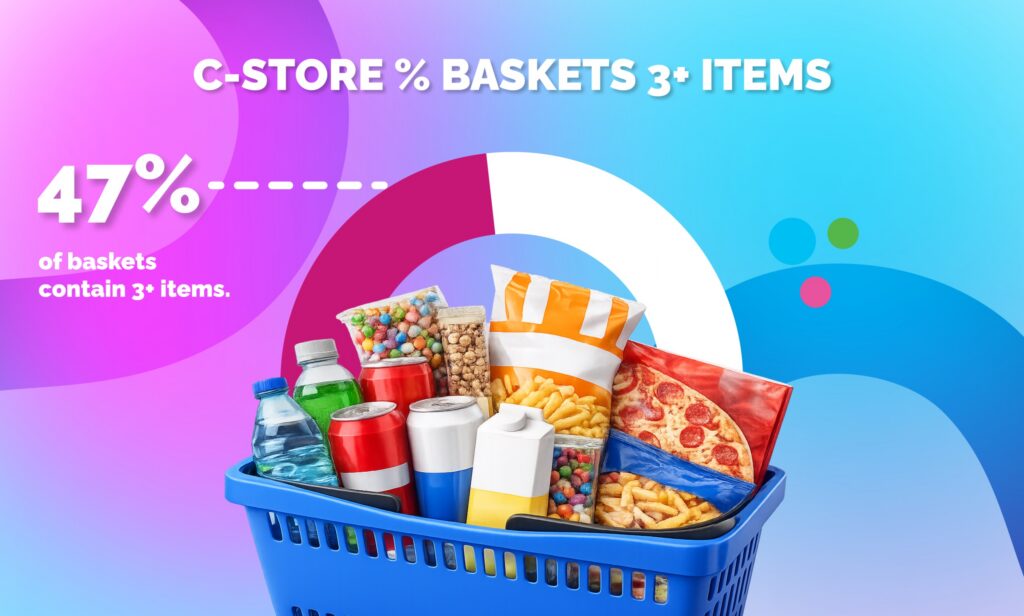
- Nearly half of all C‑store baskets contain three or more items
- Shoppers frequently purchase multiple units per item, signaling planned missions rather than impulse-only behavior
What this tells us:
C‑store shoppers are highly open to influence, especially when brands show up at the right moment with the right message.
“C‑store is often underestimated because the trips are fast, but that’s exactly what makes them powerful,” says Bobby Hoffmann, Head of Sales & Partnerships at Shopkick.
“When shoppers already know why they’re there, brands that activate intelligently can earn a place in the basket very quickly.”
How Shopkick supports this moment:
Shopkick helps brands engage shoppers during the trip, when intent is already formed, using in‑store and receipt‑validated touchpoints that connect discovery, consideration, and purchase in a single visit.
Beverage‑Led Trips Drive Bigger Baskets
Beverages play a critical role in shaping C‑store behavior.
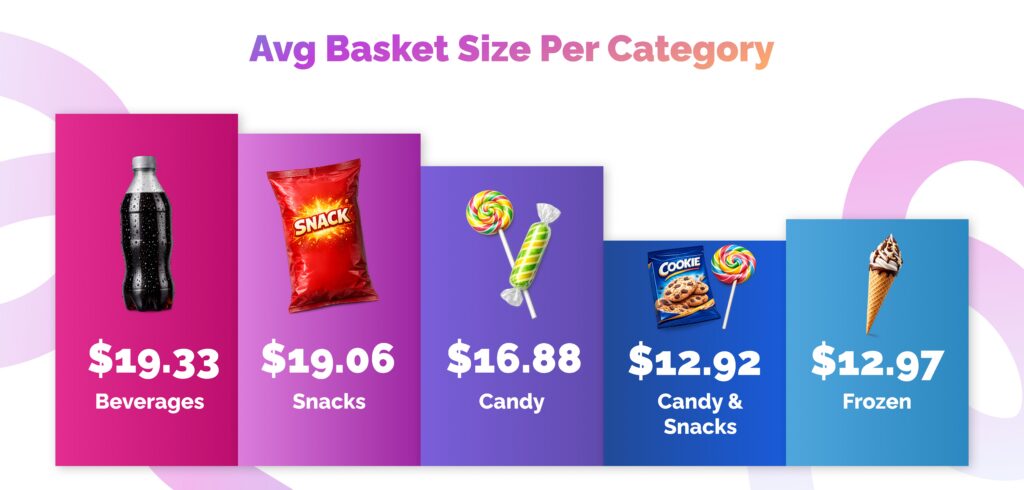
- Beverage‑led trips generate ~40% higher basket value than the average C‑store trip
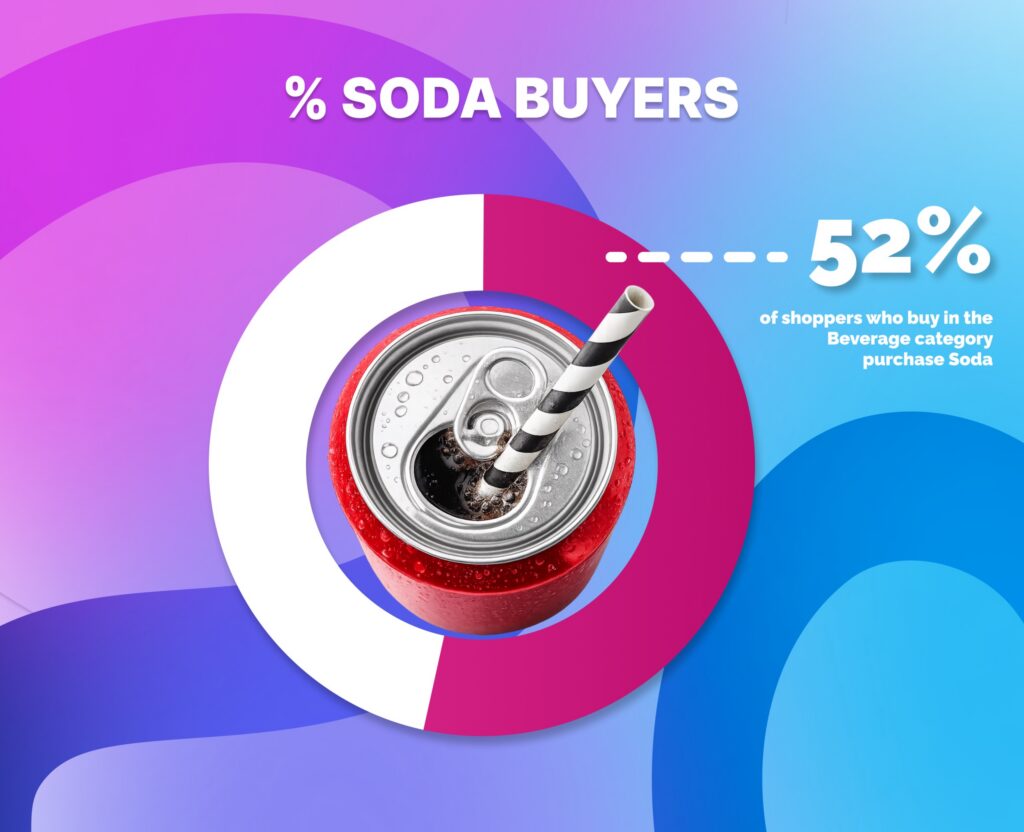
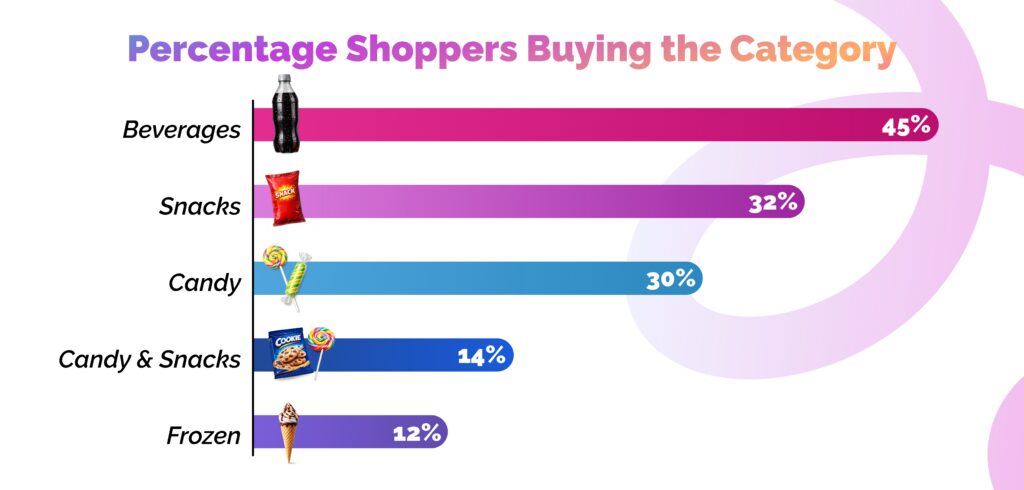
- More than half of beverage shoppers purchase soda, making it a consistent basket anchor
- Beverage‑first missions outperform snack‑ or candy‑led trips in overall spend
Why this matters:
Beverages don’t just satisfy immediate need they unlock basket expansion.
“Beverages are one of the clearest signals of intent we see in C‑store,” says Rodney Keener, Head of B2B Marketing at Shopkick.
“They create a natural entry point for brands to influence not just one purchase, but the entire trip.”
For brands, beverage moments are ideal for cross‑category messaging, add‑on offers, and reinforcing brand choice at the shelf.
Snacks and Candy Build the Deepest Baskets
While beverages lead in basket value, snacks and candy drive basket depth.
- Snack‑ and candy‑led trips include ~40% more units than the average C‑store basket
- These trips show strong cross‑category stacking, with shoppers adding multiple complementary items
Why this matters:
Snack occasions are built for discovery. These trips aren’t about one item; they’re about building a small haul.
For brands, this creates an opportunity to:
- Encourage trade‑up
- Promote bundles
- Reinforce impulse decisions with timely, in‑store influence
Not All C‑Store Chains Offer the Same Opportunity
Scale matters in convenience retail, especially for brands looking to move beyond test‑and‑learn.
While Shopkick analyzes shopper behavior across both national and regional chains, a smaller group of retailers consistently rises to the top when it comes to scalable activation. Based on store footprint and validated purchase activity, those include:
- 7‑Eleven
- Circle K
- Speedway
- Casey’s
- Wawa
These chains offer the strongest balance of reach and transaction volume, making them the most viable options for brands seeking repeatable, national‑level programs rather than single‑retailer experiments.
“C‑store success isn’t about trying to be everywhere…it’s about being in the right places,” Hoffmann adds.
“When brands focus on chains that support real scale, C‑store becomes a growth channel instead of an experiment.”
“One of the biggest mistakes brands make in C‑store is assuming all chains are created equal,” says Kate Hopes, Director of Sales Planning & Data at Shopkick.
“Scale, store footprint, and validated purchase activity matter. When brands focus on retailers that can truly support national activation, C‑store shifts from a test channel to a repeatable growth opportunity.”
Important note:
While regional chains like QuikTrip and Sheetz may not meet national scale thresholds on their own, they remain valuable for regional strategy, shopper insight, and targeted programs and play a critical role in understanding broader C‑store behavior.
What This Means for Brands
C‑stores may never match big‑box retail in sheer volume, but they don’t need to.
Their strength lies in:
- High‑intent trips
- Category‑driven missions
- Strong conversion when brands influence decisions at the shelf
For brands, the opportunity is clear:
- Use beverage moments to drive higher‑value baskets
- Leverage snack occasions to increase basket depth
- Focus on chains that enable scalable activation
- Design programs for in‑store influence, not impressions alone
“When brands stop treating C‑store as an afterthought and start treating it as a behavior‑led channel, the results change,” Keener says.
“It’s not about how long shoppers are in the store, it’s about what influences them while they’re there.”
Turning Insight into Action
Shopkick’s receipt‑validated insights help brands understand how real shoppers behave across retail formats, turning moments of intent into measurable outcomes.
Ready to put these insights to work?
Connect with the Shopkick sales team to explore how receipt‑validated shopper intelligence can help you activate smarter in C‑store and drive measurable results at the shelf.
Methodology note:
Insights are based on aggregated, receipt‑validated purchase data from the Shopkick platform and were analyzed by Onell Vasquez, Data Analyst.