The Shopkick Insights Blog shares in‑store engagement and merchandising insights that help CPG brands win the moment of truth at the shelf by educating, inspiring, and rewarding shoppers to drive trial, conversion, and measurable retail impact.
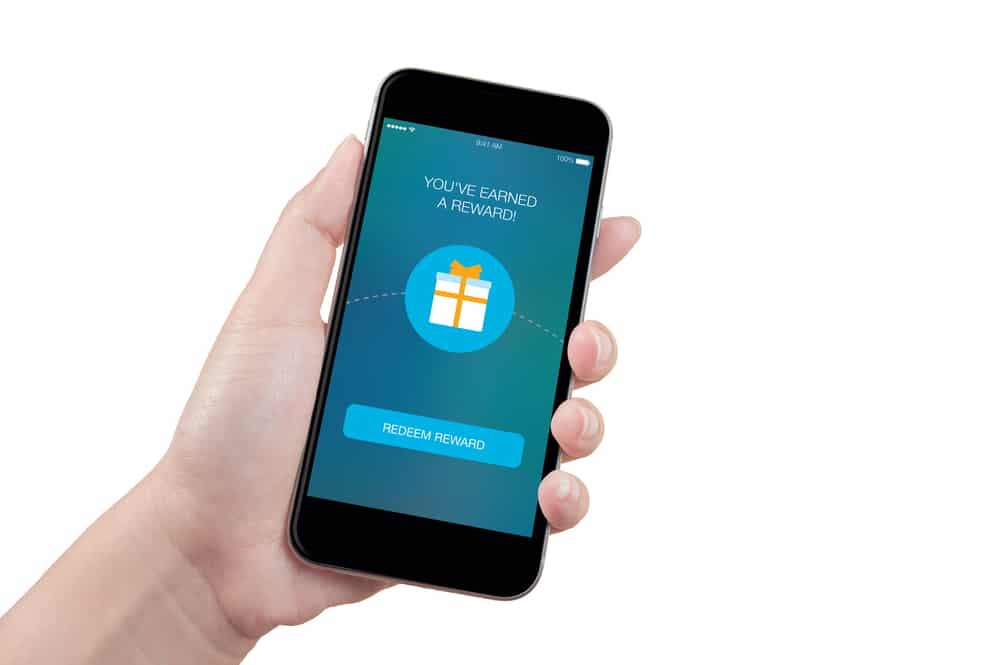
Customer loyalty incentive programs will allow brands and retailers to discover which customers are most profitable to their business so they can focus efforts on those most likely to spend (and spend a lot). We all know that it costs less to retain customers than to solicit new ones.
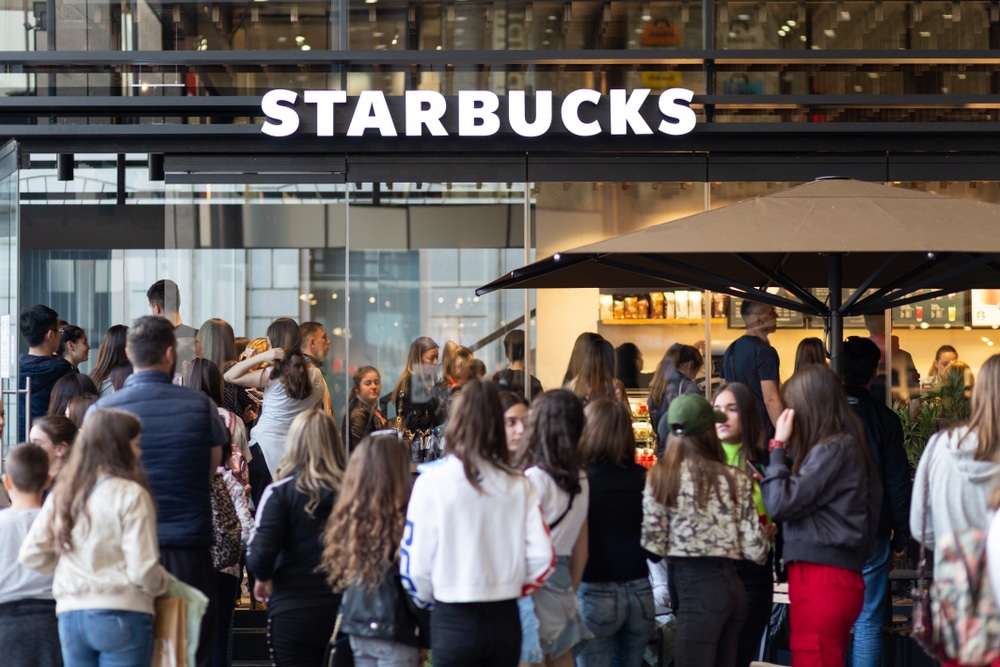
Although online shopping and the BOPIS model remain strong, browsing in-store is far from a lost pastime. As a matter of fact, a survey conducted at the end of 2018 showed that a majority of retailers (63%) are seeing in-store shopping make a comeback. Another report that used data collected around the same time found that 60% percent of consumers still make in-store purchases weekly, and 90% do so monthly. The desire to see and try products before buying them was cited as the shoppers’ main motivation.
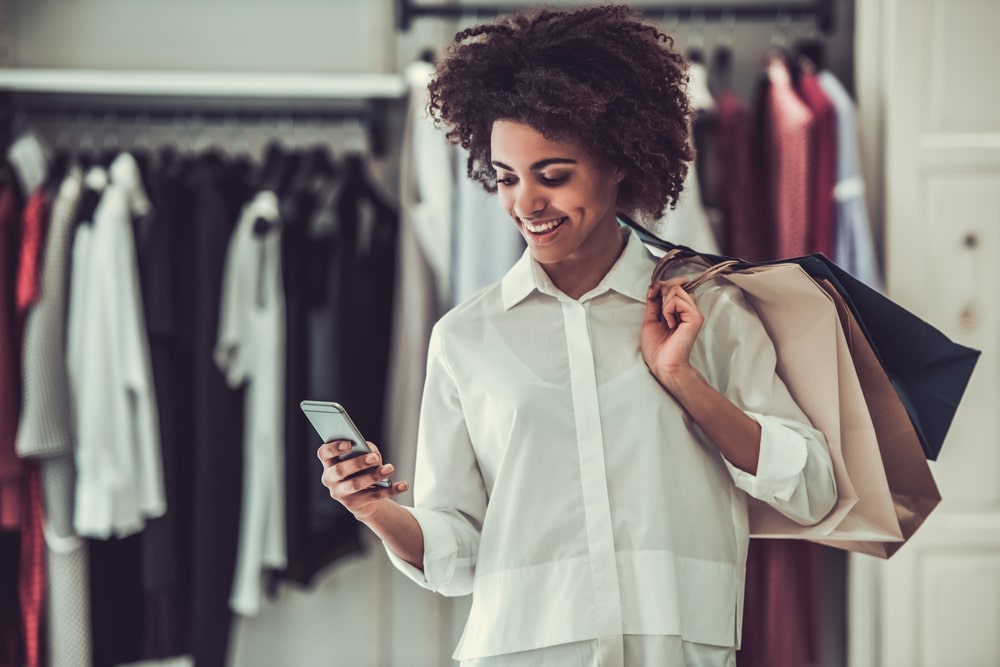
According to the most recent data, over 72 million millennials currently live in the United States. These adults, who will be turning 24-38 in 2020, have a colossal influence on retail and the U.S. economy as a whole. Accenture estimates that millennials will make up 30% of total retail sales in 2020 with a total purchasing power of over $1.4 trillion.
The most effective marketing strategy for CPG brands is an omnichannel strategy. You’re likely already dividing your marketing budget between traditional broadcasting, print advertising, digital advertising, and maybe social media—and all of these channels work together to increase brand awareness and hopefully steal market share from competitors who are doing the exact same thing.
Friction is the biggest obstacle to a positive customer experience in retail. Whether it’s waiting in line at the cash register or getting lost in the aisles, struggling to find a salesperson, or discovering your order isn’t ready for pickup, customers feel frustrated and annoyed by these moments and are ultimately unlikely to return to retail stores the more they occur.